The COVIC-19 pandemic has posed significant challenges for states, even those considered the wealthiest such as the United States and the United Kingdom. These challenges range from fundamental difficulties like acknwledging the existence of the threat to more complex issues like providing comprehensive social care for all citizens. In this regrd, bothe the West and other nations have failed to effectively addres the crisis (Saad.Filho 2020: 12559. This pandemic has brought to the surface underlying and violent issues rooted in neo-liberalism and neoconconservatism. Consequently, the COVID-19 crisis can be seen as an expression of more profound crises. Moreover, these forces have been gradually eroding the bonds between states and their citizensm posing a threat to liberal democracies worldwide. Critical Theory plays a crucial role in addressing the aforementioned questions as it offers essential tools for comprehending the mulitfacedted hegemonic forces at play on variouls levels (matrial and inter-subjective forces, both at the national and international realms). The Gramscian dialectical analysis of the superstructure/structure and Robert Cox's Neo-Gramscian concept of historical structure support our aim to grasp the influence of the neoliberal hegemony (superstructure and structure) globally and domestically. However, it is important to note that neoliberalism is not confined to a specific agent or an insurmountable structure but it encompasses a complex of hegemonic ideas.
Neoliberalism has not fully accomplished its objectives, which include maximizing the profits of transnational capitalist classes and exerting control over the masses. Due to the complexity of social processes, it is impossible to predict outcomes with absolute precision. Nonetheless, our focus is on the structural elements of neoliberalism and their impact on the construction of states globally, despite the fact that this hegemonic complex of ides had had varying effects on different nation-states. Agency plays a crucial role in understanding why certai aspects of neoliberalism have been embraced by soe societies while being firmly rejected by others. However, it is crucial to expose neoliberalism in its "pure state" to shed light on its notorious global achievements, despite encountering significant resistance. In a future article, we aim to discuss resistance to this hegemonic complex in the context of the COVID-19 pandemic.
We cannot isolate production processes from reality, as they are historically shaped and socially influenced. In understanding these processes, it is asserted that “structure” and “superstructure” mutually develop through a dialectical relationship involving economic and sociocultural factors, forming a historical bloc. The superstructure reflects the social relations of production, characterised by complex, contradictory, and discordant relations. The transition from structure to superstructure occurs when a particular ideology becomes universal and hegemonic. However, even when hegemony is achieved, dialectical relations persist, as pro and counter-hegemonic forces continually shape the formation of structure and superstructure in an ongoing process of social construction. It is important to emphasise that super- structures possess a certain degree of autonomy in relation to structures, as at the ideological level, individuals perceive and interpret the economic world (Gramsci 1982; Morton 2007).
Based on these understandings, the influence of capitalism has established a reciprocal relationship between structure (economic relations) and superstructure (the ethical–political sphere), which enables us to consider state/society complexes as the constituent entities of world order and explore their historical manifestations (Cox 1981: 134). The interaction between the international and various national spheres leads to uneven developments in territories affected by neoliberal forces (Morton 2007). This study aims to elucidate why the neoliberal historic block differs from previous capitalist hegemo- nies, as this specificity is crucial for understanding the current COVID-19 crisis. Robert Cox’s (1981) concept of historic structure, encompassing three categories in a dialectical relationship, namely material capacities, ideas and habits, and institutionalisation, proves indispensable for comprehending the neoliberal historic block. However, since the neoliberal expansion has predominantly targeted Brazil’s second and third categories (as observed in our case study), our focus lies on these aspects while acknowledging the importance of the first category, particularly in the context of the ideology’s global expansion. Thus, it is essential to define these terms..
Firstly, material capacities represent an actor’s productive and destructive potential power in its dynamic form, encompassing organ- isational and technological capabilities, as well as accumulated forms such as converting natural resources into technology and the stock of industrial equipment and weapons. Secondly, on a more intersubjective level, ideas and habits are historically influenced, and their origins and future developments can be traced. They legitimise prevailing power relations at a given time, even though collective perceptions may vary. Thirdly, the category of institutionalisation reinforces a particular order by stabilising and perpetuating certain relationships by forming collective perceptions that uphold the existing structure (Cox 1981).
Neoliberalism has resulted in the fragmentation and disarticulation of essential welfare sources, treating public services as private goods to generate profits for investors in areas such as health, education, water, and social security. This approach has hindered a unified response to the COVID-19 crisis, as these services are governed by a neoliberal pseudo-universal project prioritising profit generation (Harvey 2005). This inquiry aims to shed light on this neoliberal hegemony and its impact while acknowledging the need to explore counter- hegemonic possibilities in future research. Moreover, this hegemony has perpetuated a crisis in the relationship between states and their citizens. Neoconservatism, capitalising on the destruction of welfare caused by neoliberalism, has been advancing its power project and eroding democracies from within. Thus, neoconservatism has filled the void neoliberal policies left regarding social support. However, it is essential to recognise that these two movements are interconnected, as neoconservatism upholds principles such as a minimal state, fiscal conservatism, individual liberty, and a belief in the market as the most efficient solution to societal issues (Erlenbusch-Anderson 2018: 137–142).
From this perspective, we argue that neoliberalism and neoconservatism have exacerbated the consequences of the ongoing pandemic. Despite the fact that these undemocratic policies have intensified the precarity of human lives, they continue to wield significant influence worldwide. While COVID-19 has shaken their credibility, these pol- icies persist and constantly threaten people and their way of life. We propose that this apparent paradox can be attributed to the hegemonic control of neoliberalism over the state-citizen relationship. Therefore,

Figure 1. The inquiry’s structure. Source: Developed by the author.
this investigation is crucial role in raising awareness of these complexities and highlighting the potential for an impending neoliberal organic crisis. Finally, newspaper articles are also essential information bases beyond scientific sources, owing to the recent events dealt with in this study.
Building upon the above analysis, this study is grounded in two key assumptions. Firstly, it posits that neoliberalism has exacerbated tensions in the relationship between states and citizens, while neoconservatism has taken advantage of this dynamic to further its own objectives. As a result, our hypothesis suggests that the convergence of these two ideologies has intensified the impact of the ongoing pandemic. Sec- ondly, neoliberalism has undermined social solidarity, thereby creat- ing fertile ground for neoconservatism to establish connections based on its own terms. This has been particularly evident in countries like Brazil, where the effects of this phenomenon are manifested through health crises, such as the COVID-19 pandemic, as well as socioeco- nomic disparities characterised by wealth concentration and wide- spread poverty and political turbulence marked by constant threats to liberal democracy.
The prominence of neoliberalism ideas and habits worldwide: Eroding welfare states and social cohesion
Our objective is to investigate the influence of neoliberal material capacities, ideas and habits, and institutionalisation on the ongoing

Figure 2. The neoliberal hegemonic growth. Source: Developed by the author.
response to the pandemic, with a specific focus on the second and third aspects. This section will serve as an introduction to the analysis of the Brazilian case study, which aims to examine the impacts of neoliberalism on the relationships between the Brazilian state and its citizens.
The neoliberal ideology and expansion
We argue that neoliberalism has become ingrained in societies, and the immense influence of its ideas, habits, and institutionalisation has significantly eroded social cohesion on a global scale. As a result, the COVID-19 pandemic has amplified an existing state of “perpetual” crisis.
Neoliberalism is not a recent concept but rather an extreme adaptation of capitalist world hegemony, primarily focusing on the ideas and practices of privatism and individualism. Fallacious assumptions rooted in the market mindset have permeated various areas, equating the human economy with its market form. This ideology has infiltrated various social institutions, normalising the market as the primary auth- ority guiding states and governments. Within this framework, two new interpretations of rationality have gained prominence. Firstly, a utili- tarian scale of values has risen to prominence, placing it at the forefront of human concerns while sidelining ethical considerations. Secondly, the relentless pursuit of capital accumulation has become the primary means of achieving well-being and success. This perspective, as described by Karl Polanyi (2012), reflects a transformation in societal thinking and values.
This ideology rejects and downplays the significance of individual identities and the diverse histories of societies while also seeking to separate the realms of economy and politics. This separation is seen as a necessary measure to prevent popular governments from exerting influence over the global economy, as outlined by Polanyi (2000: 212– 213, 61–75). Over time, the flawed equivalence between economic and market phenomena has directly impacted the everyday philos- ophy of our societies. Neoliberalism, as an extension of this perspective, posits that the best way to enhance human well-being is by promoting the liberation of individual entrepreneurial freedoms and skills within an institutional framework characterised by strong protec- tion of private property rights, free markets, and free trade, as articulated by Harvey (2005: 2–3). Consequently, neoliberalism emphasises private investments and property as key drivers of wealth creation and innovation. By reducing bureaucratic obstacles in the public sector, private enterprises are believed to operate more efficiently, leading to affordable and high-quality products. Neoliberalism advocates for the institutionalisation of market-oriented policies, with laws promoting free trade and the functioning of market institutions. It is argued that this approach will foster continuous increases in productivity, ultimately raising living standards for all individuals.
Although neoliberalism calls for a reduction in the state’s role, it paradoxically requires the state to support the objectives of the bour- geoisie. Rather than weakening the state, neoliberalism has led to the invasion and appropriation of state institutional structures by private interests. From this perspective, states are tasked with creating and maintaining institutional frameworks that align with market practices and protect private property rights and individual entrepreneurial freedoms. Additionally, states are expected to establish military structures to safeguard these property rights and ensure the functioning of markets, even through the use of force if necessary (Silva 2012: 13–21). The intensification of these neoliberal features has contributed to increasing inequalities and diminishing rights and liberties for people on a global scale. Through regulations and privatisation, states are also compelled to create new markets, such as water, edu- cation, health, social security, and environmental pollution. The expansion of commodification is seen as crucial for the growth of this hegemonic force (Harvey 2005: 2–4, 66–69). The transnational bourgeoisie must exert control over the superstructure to achieve these structural objectives. The exclusion of the masses becomes inherent in this new dialectical relationship between the superstructure and structure.
The neoliberal perspective argues for the diminishing influence of politics on vital economic institutions. It seeks to reduce the impact of political tendencies, including trade unions, environmentalists, and indigenous peoples, as their democratic pressures are seen as poten- tially detrimental to the expert-driven governance of neoliberalism. Power is concealed and organised through the placement of these “specialists” in influential positions, such as the media, prestigious uni- versities, financial institution boards, and critical domestic and inter- national institutions like central banks and the International Monetary Fund (IMF) (Harvey 2005: 39–40, 55, 66–67). Neoliberalism perceives formal liberal democracies as threats to its hegemonic aspira- tions (Ballestrin 2018: 152; Rugitsky 2020: 594–600; Saad-Filho 2011: 252–255). Building on these neoliberal ideas and habits, the institutio- nalisation of the ideology aims to prevent welfare state planning and promote the dominant role of the private sector in shaping society’s direction while disarticulating state welfare. Deindustrialisation, priva- tisations, deregulations, and labour code reforms are considered crucial in this process (Silva 2012: 1–2).
Indeed, neoliberal ideas and habits have permeated and under- mined the diffusion mechanisms of ideologies and the stability of entire nations, aiming to erode social solidarity. According to Morton (2007: 90), the state’s power is not openly acknowledged but concealed through civil society hegemony. Neoliberalism’s policies and ideology, through both coercive and ideological means, originated in the United States and have spread globally, seeking to concentrate capital in the hands of the transnational bourgeoisie at the expense of billions of people, particularly in the Global South (Arrighi and Silver 2003: 341–345). Neoliberalism has gradually normalised its presence by expanding its worldview and controlling state assessments and econ- omic policies. Notably, American neoconservative ideology has played a significant role in reinforcing the inherent connections between neoliberalism and neoconservatism.
The conservative imagination has significantly influenced US foreign policies, especially since the introduction of the National Secur- ity Strategy (NSS) under Ronald Reagan in January 1987. This ideology gained further strength by expanding Fukuyama’s arguments about the end of history. The foundations of this ideology rest on several key principles: a teleological perspective on historical development, a dualistic understanding of the struggle between Western liberal democracy and totalitarianism, a firm conviction that America is on the right side of history, the belief that America’s liberal democracy is the only viable political model, and a robust economic conception of freedom, peace, and prosperity (Erlenbusch-Anderson 2018: 139– 141). Institutionalising these ideas and practices within international organisations was crucial for facilitating their global expansion and influenceThe transnational bourgeoisie implemented a reform guideline for states known as the structural adjustment strategy. This strategy involved implementing monetary contraction, increasing interest rates, reducing taxes for the wealthiest individuals, dismantling trade unions, and granting significant freedom to capitalist companies. Neo- liberalism heavily relied on various international institutions, particularly the World Bank (WB) and the IMF, to achieve universal acceptance of this specific ideology (Butler 2011: 95). Through a dialectical process of suppressing counter-movements and expanding its market-led logic, neoliberalism restructured key states in the Global North and disseminated its values and policies globally (for comprehending this process, see Arrighi and Silver 2003: 345; Harvey 2005: 19, 23–24, 29–30; Silva 2012: 1–2). Neoliberalism followed a similar trajectory as other hegemonic ideologies by establishing a spontaneous consensus. Firstly, it infiltrated and subverted ideological diffusion mechanisms, transforming specific interests into universal values within civil society. Secondly, it conquered state power by influencing over trade unions, political parties, and education.
Therefore, neoliberal hegemony relied on the material capacities of the US and its Western allies, particularly the UK, to promote the interests of the transnational bourgeoisie. Dialectically, neoliberal ideas and habits related to privatisation, individualism, and exclusion, along with their institutionalisation within various international organisa- tions, permeated civil societies and state powers worldwide. Consequently, they have exerted influence on politics, economics, and society, undermining states’ organisation and policies. The neoliberal project of the transnational bourgeoisie has not diminished the signifi- cance of the state but has fostered alternative configurations of social forces and states (Morton 2007: 32–33).
The case study of Brazil in section 2 will allow for a closer analysis of these specificities. The COVID-19 pandemic and social discontent should have compelled governments to increase their expenditures to support recovery, considering that neoliberalism is one of the main causes of the state’s current mismanagement of the pandemic. However, despite the need to expand welfare policies in some countries, others have further implemented neoliberal policies, exacerbating an already catastrophic situation.

Figure 3. Reforming hegemony: the rise of neoliberalism. Source: Developed by the author.
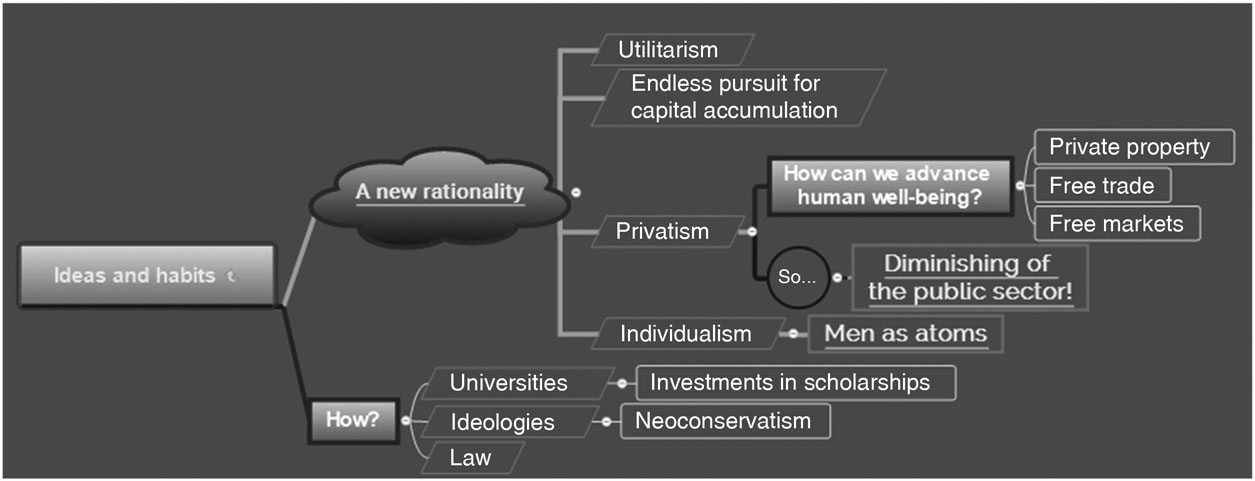
Figure 4. Naturalising the neoliberal hegemonic violence. Source: Developed by the author.
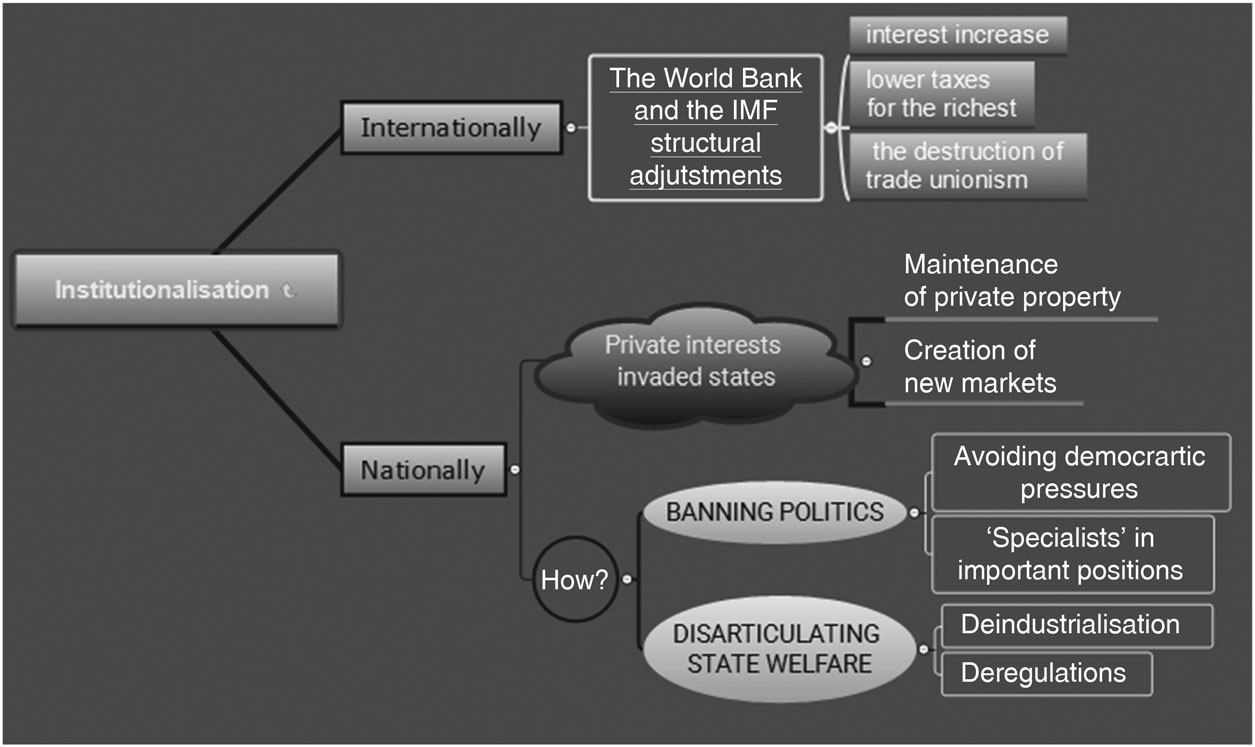
Figure 5. The neoliberal penetration through institutionalisation.
Source: Developed by the author.

Figure 6. The neoliberal ideas and habits strength. Source: Developed by the author.
Neoliberalism special “ideas and habits”
Something distinct about neoliberalism is that, unlike other capital- ist accumulation regimes, it appears to perpetuate vicious cycles of social impoverishment, which in turn reinforce its hegemony. Neoliberalism not only creates crises (with neoliberalism as the cause) but also uses these crises as opportunities to solidify its antisocial policies further (with neoliberalism as a result). As a result, we seek to under- stand why the organic crisis of neoliberalism never materialises. This conundrum can be explained by the particular power techniques employed by neoliberalism.
While the 2008 crisis proved insufficient, the COVID-19 pandemic (but not exclusively) appears to have caused tensions within the neolib- eral hegemony, particularly in the Global North. In order to shed light on this paradox, we delve into two distinct domains of the potential organic crisis of neoliberalism: the economy and the realm of politics and governance. We are witnessing an expansion and diffusion of the market and its model beyond its original boundaries. Economic processes influenced by market values have infiltrated the internal rationale of human behaviour, leading to the market’s proliferation across society as a whole (Andrade 2019). Additionally, neoliberalism possesses a distinctive hegemonic expansion that challenges resistance efforts. This analysis is crucial for comprehending the persistence of destructive neoliberal ideas and policies, even amidst a global pandemic.
Economy and politics. “Crises are historically specific and rooted in particular periods of capitalist development, characterised by distinct classes and institutions. From this perspective, neoliberalism and the crises it triggers appear to differ from previous systemic crises, such as the profit squeeze in the 1970s stagflation or the overproduction and underconsumption during the Great Depression in the 1930s (Panitch and Gindin 2011: 4). Contrary to various predictions, the 2008 systemic crisis did not lead to the abandonment of neoliberalism. Instead, this ideology expanded its influence in both the Global North and South (see Harvey 2005: 32–33; Rugitsky 2020: 594–595). This note- worthy feature demands our attention, especially in light of the COVID-19 pandemic, which reinforced the stagnation following the global financial crisis of 2007 (Saad-Filho 2020: 1215). However, drawing on Gramsci’s ideas, we recognise that economic crises influence but do not solely determine hegemony. Therefore, it is crucial to delve deeper and uncover the distinctiveness of neoliberalism.
Ideas and habits can neutralise economic factors, especially when
institutionalised within civil society and state institutions, meaning that an organic crisis only occurs when a crisis affecting both the structure and superstructure (the entire historical block) coincides in time. Neoliberalism has established a robust regulatory model to sustain its accumulation regime, which has had profound impli- cations for the state’s role. The state has transformed into “a political organisation in which, despite the functioning of democratic institutions, the locus of political action has shifted elsewhere, particu- larly to a small elite that wields simultaneous political and economic power” (Crouch 2013: 235). Furthermore, pressures from the financial market, particularly from lenders, rating agencies, and international organisations such as the IMF and the European Central Bank, impede popular participation in political decision- making (Andrade 2019: 116–117, 21–25).
Although neoliberalism criticises the state, its primary objective is institutionalising its ideas and practices within the state’s apparatus and bureaucracy. As previously highlighted, in order to control the state and prevent democratic influence on vital economic affairs, private law becomes a constitutional matter under neoliberalism. Consequently, it elevates the imperative of generating primary surpluses as the ultimate goal of the state, deviating from the liberal bourgeois tra- dition that emphasises the constitutional transformation of human rights (Andrade 2019: 128; Dardot and Laval 2016: 53; Rugitsky 2020). These characteristics have significant repercussions at the ideo- logical level. Left-wing governments succumb to neoliberal political rationality, resembling right-wing administrations. The alternation of power between political parties does not bring about substantial policy changes, particularly concerning state economies.
Therefore, politicians no longer truly represent the people’s will, distancing themselves from electoral discourses and government prac- tices (Andrade 2019: 129–130; Saad-Filho 2011: 252). Consequently, the technocratic aristocracy and its presumed neutrality and expertise have replaced popular sovereignty with market sovereignty. It is essential to clarify that we are not advocating for a return to bourgeois liberalism as a replacement for neoliberalism. Both ideologies are detrimental, but the latter exhibits more destructive policies than the former. Nevertheless, economic and political representation crises have not resulted in neoliberalism’s downfall but rather its reinforcement (see Andrade 2019: 110; OECD in Dardot and Laval 2016: 169–170).
A unique governance. Neoliberalism is a unique phenomenon. Its incoherent accumulation regime provokes successive economic crises, and its efficient regulatory process ‘can use economic crises in its favour, preventing the transition to a new normative-institutional arrangement and, consequently, to a new phase of capitalism’ (Andrade 2019: 121, our translation)1. For example, neoliberalism and its technological, economic, legal, and political shifts have drastically narrowed the scope for resistance against neoliberal capitalism (see Panitch and Gindin 2011: 7; Alfredo Saad-Filho 2011: 244). Since the self-regulated market is impossible to achieve, neoliberalism can always blame the state and offer itself as a remedy for the ills it unleashes (Andrade 2019: 122).
So, neoliberalism has profited from representative crises as they concern more with liberal democracy representativeness than neoliber- alism itself (Andrade 2019: 126). Indeed, the goal of neoliberals has never been to represent societies, as they view liberal democracy as the stratagem of losers’ groups to avoid the rigour of competition and seek privileges (Dardot and Laval 2016: 47–49). Neoliberals consider democracy only as a means to come to power and circumvent the laws of the market, avoiding the “tyranny” of state interventionism. Representativeness crises thus become opportunities for neoliberal governance policies. In this light, institutional managers within the state and international organisations are tasked with fixing politicians’ populist and irresponsible economic policies. Neoliberalism thrives on the problems it generates (Andrade 2019: 131).
Neoliberal ideas and habits have eroded strategic and organisational resources and undermined the possibilities of collective actions. Notably, collectives have disintegrated into competitive subjectivities; institutions of macroeconomic regulation have been systematically dismantled; the production of critical knowledge has become lost in innocuous academic productivism; and waves of protest seem to dissipate without leaving institutional legacies. Furthermore, corporations are rapidly co-opting alternative languages and practices and transforming them into new markets. Consequently, grass-roots social movements struggle to integrate their organisational logic into the state. Neoliberalism, therefore, hinders political solutions that could facilitate a transition to a new accumulation regime (Andrade 2019: 132). Hence, the current catastrophic state response to the pandemic is not a result of planning failure but a reflection of political choices. We have witnessed various health challenges since the post- WW2 era, such as the influenza outbreaks of the 1950s and 1960s, the Nipah virus in 2018, the Ebola outbreak in 2014, the severe acute respiratory syndrome (SARS) in 2003, and the Middle East Respiratory Syndrome (MERS) in 2012. Military and civilian strategists knew a pandemic could occur (see Saad-Filho 2020: 1214–1216). However, the transnational bourgeoisie has weakened state planning efforts, impeding effective collective action in times of emergency.
The systematic dismantling of state capabilities is a deliberate and antisocial project aimed at reconcentrating power in the hands of the transnational bourgeoisie. Even more significantly, reinforcing “priva- tist” and individualist ideas and habits has obstructed political alterna- tives, disrupted state welfare, and eroded social solidarity. Consequently, growing inequalities and weakened state-citizen relationships have driven people to seek stronger connections based on different values, such as family and religion. In the Global North, the COVID-19 pandemic, along with neoliberalism and another signifi- cant factor, neoconservatism, has triggered responses that challenge market competition dynamics. However, the relatively milder policies observed in the Global North do not necessarily imply their replication in the Global South. In Latin America, for instance, both transnational and national bourgeoisie actively hinder the implementation of more humane policies in the region, as such policies may reduce their surplus extraction. In the second section, we directly address the situ- ation in the Global South, with a specific focus on Brazil. Through a case study, this investigation sheds light on the COVID-19 crisis as just one among many other crises, particularly the ongoing neoliberal crisis (“perpetual crisis”). Furthermore, we examine the influences of the COVID-19 pandemic and neoliberalism on the state–citizen relationship in Brazil, explicitly exploring their repercussions on Brazi- lian democracy under the government of President Bolsonaro.
The neoliberal and neoconservative push for the COVID-19 tragedy: Brazil’s liberal democracy in peril
Latin America’s democracies have unique and essential character- istics worthy of highlighting before delving into the impact of the COVID-19 pandemic during President Bolsonaro’s tenure in Brazil. It is essential to highlight these specificities to illuminate the authoritarian foundation of Brazilian society, which partially accounts for the rise of neoconservatism in the country. Furthermore, I will discuss the strengthening of neoliberalism in Brazil since the controversial impeachment of Dilma Rousseff, as it forms the second premise for the expansion of neoconservatism. These complex factors have contributed to the current catastrophic situation brought about by the COVID-19 pandemic in Brazil. I contend that neoliberal ideas, habits, and institutionalisation have deeply permeated Brazilian society to the extent that even a public health emergency like a pandemic is insufficient to challenge neoliberal hegemony significantly.
Sowing a fertile soil for neoconservatism: the neoliberal sabotage against an already harmed democracy
Democracy in Brazil has been an exceptional occurrence through- out its history. Prior to 1930, during the era of colonialism and slavery, Brazil had a relatively harmonious coexistence of liberalism and authoritarianism within a “semi-democratic” competitive oli- garchic regime. Following Getulio Vargas’ nationalist regime from 1930 to 1945, democracy significantly stabilised Brazil during the Liberal Republic period from 1945 to 1964. However, the subsequent civil-military regime, supported by the United States and the Brazilian ruling classes, hindered democratic progress until its dissolution in 1985. It is worth noting that since 1926, only five elected presidents have completed their terms in office. Therefore, the Eurocentric concept of “post-democracy” is insufficient to explain the impact of neoliberalism on democracy in Latin America, including Brazil (see Ballestrin 2018: 157–158).
Unlike the Global North, Latin America has witnessed a coexistence and mutual reinforcement of neoliberalism and authoritarianism. The region’s states have been shaped by distinct capitalist, liberal, and democratic global developments compared to their northern counterparts. While neoliberalism exerts a significant negative influence on the relationship between the Brazilian state and its citizens, other specific factors have also influenced the uneven develop- ment of democracy in Brazil. In the 1990s, Brazil experienced a neoliberal expansion characterised by privatising public enterprises and services, dismantling state monopolies, deregulating economic activities, and emerging new markets (see Biondi 1999). These neolib- eral policies have undermined the principles outlined in the 1988 Bra- zilian Constitution, which emphasised the state’s central role in promoting socioeconomic well-being2. In response to these policies, the early 21st century witnessed a leftward political shift in South America, commonly known as the Pink Tide. While this shift did not fundamentally challenge neoliberal ideas, habits, and institutio- nalisation, it did mitigate their effects and bring about significant changes within the region.
Some policies were indispensable for achieving these results in Brazil: the Bolsa Família program – a conditional cash transfer program; the increase in the minimum wage; the diversification of con- sumption patterns; the domestic expansion of basic services; and the absorption by the proletariat of a part of the “underproletariat”, chiefly in the construction and popular commerce sectors. The 2016 impeachment of the centre-left-wing president Dilma Rousseff rep- resented an undemocratic resistance by the Global North (Sanches 2021) and Latin America’s ruling classes to resist pressures on the ongoing sharing of economic and political power with subaltern classes (Rugitsky 2020: 594–595). Yet, we cannot lose sight of the political and economic issues at the domestic level during this period in Brazil, which have also affected this process (see Lourenço and Espo- sito 2016).
Inequalities and the attempts to redistribute income are perhaps the most significant historical conundrums in the region. The foun- dation of Dilma Rousseff’s impeachment can be traced to two crucial movements related to this seek of wealth redistribution: the pen- etration and strengthening of financial capitalism and the amplification of Brazilian democratic life. Concerning the first, for instance, Brazilian presidents had been appointing “experts” to the presidency of the Central Bank of Brazil since 1999: Arminio Fraga (1999–2003) during Fernando Henrique Cardoso’s centre-right-wing government; Henrique Meirelles (2003–2010) during Lula’s centre-left-wing government. In contrast, Dilma Rousseff appointed Alexandre Tombini (2011– 2016) to the office, who was considered a more nationalist and sovereign option.
Illustrating the second context, two days after Dilma’s re-election to her second term in office, the Brazilian Congress approved a bill that nul- lified the effects of a decree linking government decisions of social inter- est to the opinions of councils and other forms of popular participation (see Falcão 2014). In order to overcome democratic resistance to financial capital, parliamentary coups spread across the region: Manuel Zelaya in Honduras in 2009, Fernando Lugo in Paraguay in 2011, and Dilma Rous- seff in 2016. What followed Rousseff’s removal from power was a pro- found expansion of neoliberal ideas and practices through their institutionalisation within the state. As already pointed out in the first section, neoliberalism benefits from political representativeness crises. Aligning with the unpopular former vice-president Michel Temer, who assumed the presidency after Rousseff’s ouster, he stated, “I’m taking advantage of this supposed low popularity to implement unpop- ular measures we wouldn’t otherwise take” (in Castro 2017, our translation).3 Additionally, the former president of the Brazilian Chamber of Deputies, Rodrigo Maia, who once stated, “We cannot accept the Chamber of Deputies to become a notary for society’s opinions,” explained Congress’s priorities: “The agenda of the Chamber, in line with that of President Michel Temer, focuses on the market, the private sector” (Agostine and Mendonça 2017, our translation).4
The most paradigmatic neoliberal policy during Temer’s government, however, was the introduction of a constitutional amendment (number 95) that established a spending ceiling in Brazil for twenty years, something unprecedented in modern capitalist history. The Rap- porteur of the Human Rights Council of the United Nations (UN), Philip Alston (2016), claimed that this amendment was radical and lacked compassion for the poor, in addition to tying the hands of future rulers. Thus, denounced in office for corruption and disap- proved by 95 percent of Brazilians, he used his unpopularity to push for reforms with profound social impact. The 2018 election was even seen as a threat to neoliberal reforms.
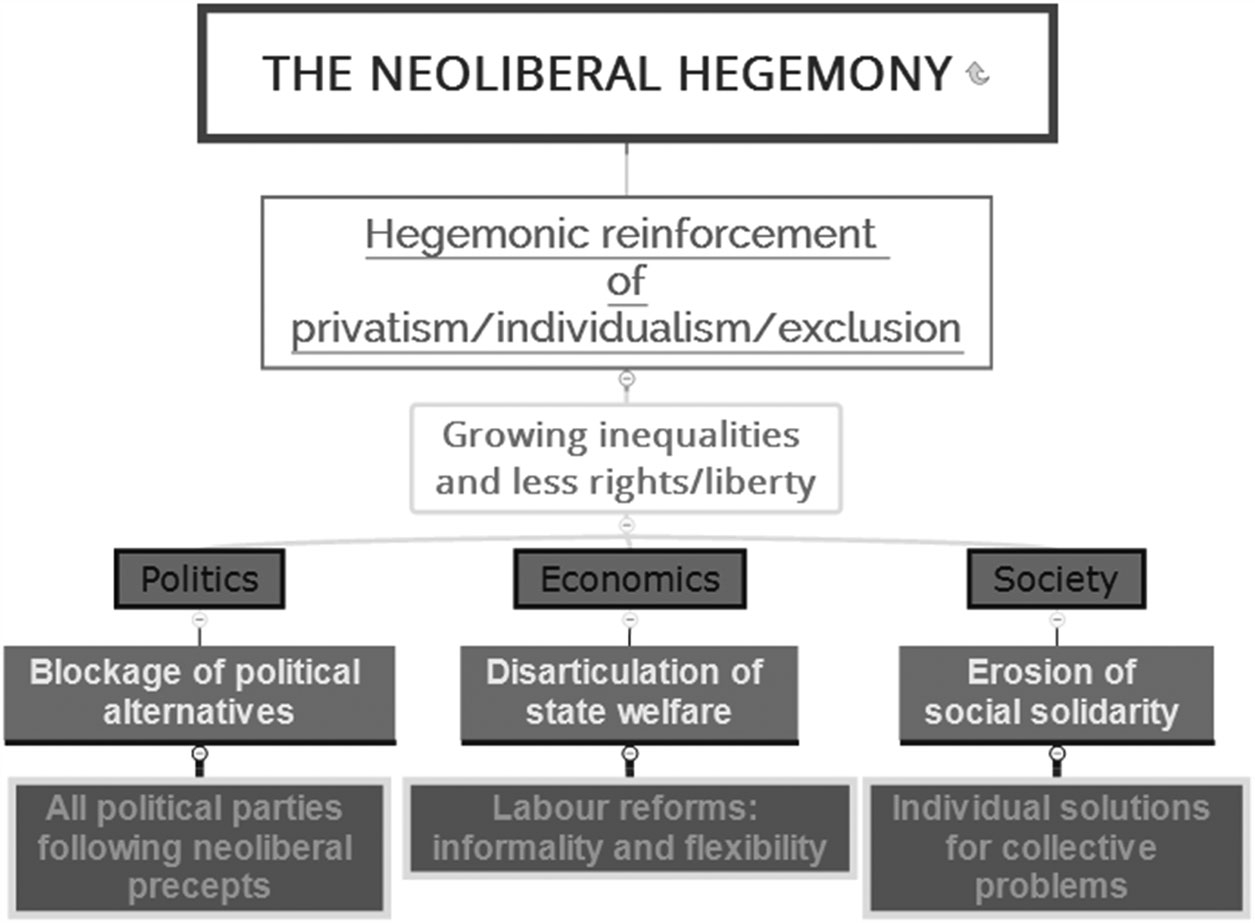
Figure 7. The neoliberal’s disarticulation of solidarity. Source: Developed by the author.
From the impeachment in 2016 until 2018, a period characterised by the significant advancement of neoliberalism but predating the COVID-19 pandemic and Bolsonaro’s government, the Gini index saw significant leaps, leading Brazil to record the highest level of inequality in the series, 0.545, surpassing pre-2012 levels (Bôas 2021). Regarding wealth distribution, Brazil has regressed for a decade. This setback occurred with greater force precisely at a time of economic recovery due to the upper classes’ ability to appropriate growth in an austerity scenario (Barbosa et al. 2020). Poverty rates declined steadily between 2012 and 2014, then increased until 2017, and subsequently stabilised. However, the growth pattern favouring the rich observed since 2015 widened social disparities and imposed further hardships on already vulnerable groups. Finally, almost half of Brazil’s total wealth, or 49.6 percent, ended up in the hands of the wealthiest 1 percent in 2020, even during the COVID-19 pandemic. Twenty years ago, the top of the pyramid held 44.2 percent (Gavras 2021). Brazil is the second country with the highest concentration of wealth in the hands of the top 1 percent of wealthiest individuals, trailing only Russia (58 percent). For comparison, this percentage reaches 40 percent in India, 35 percent in the US, and 18 percent in Japan (Elias 2021).
Based on those mentioned neoliberal and democratic issues, the extreme right-wing candidate Jair Bolsonaro aligned himself with the former and capitalised on people’s discontentment with democracy by promoting his neoconservative ideology. As a result, neoliberalism and neoconservatism undermined the Brazilian welfare state and con- tributed to the rise of Bolsonaro as a viable candidate. In this context, it is crucial to consider the preceding developments to understand the ongoing COVID-19 catastrophe in Brazil fully.
Bolsonaro’s government: the neoliberal, neoconservative, and COVID-19 pandemic catastrophe
Bolsonarism has attempted to fuse authoritarianism and neoliber- alism once again in Latin America. Adapting to a bourgeois liberal democratic setting, Bolsonaro has been seeking to undermine the legiti- macy of various liberal institutions in Brazil, particularly those that oppose his undemocratic agenda. The intertwining of neoliberal and neoconservative principles has dialectically exacerbated the COVID- 19 crisis, further eroding the state’s and its citizens’ relationship. Con- sequently, these three crises significantly threaten Brazil’s liberal democracy.
Neoliberalism and neoconservatism under Bolsonaro. Neoconservatism shares common features worldwide, including an anti-systemic drive, manipulation of democratic instruments, xenophobia, racism, endorse- ment of the state of security exception, restrictions on freedom of speech, stigmatisation of adversaries, hate speech, utilisation of social media to discredit conventional media, advocacy for a minimal state while allocating significant budgets to the military and security forces, and dissemination of anti-scientific discourses (Santos 2020). Bolsonaro closely adheres to this framework, with some adaptations to the Brazilian context. He not only promotes fake news to target his critics and provoke political crises with other state institutions but also strengthens the military’s loyalty to maintain his grip on power beyond electoral support.
Bolsonaro’s government has pushed for a hyper-neoliberal agenda to maintain the loyalty of the bourgeoisie. These neoliberal policies have weakened the bond between the state and its citizens, except for those policies attributed to Bolsonaro himself. For example, even before the COVID-19 pandemic hit Brazil, Bolsonaro attempted to pri- vatise the country’s public and universal healthcare system (see Idoeta 2020). Simultaneously, he altered and worsened certain aspects of the Bolsa Familia program, erasing the mark of the Brazilian Labours Party (Partido dos Trabalhadores [PT]) (see Barros 2021). Driven by anti-systemic tendencies and fueled by hate speech, the extreme right-wing has manipulated democratic instruments, expanded the state of exception, and undermined scientific research and freedom of speech. Neoconservatives embrace neoliberalism and contribute to its social divisions and environmental destruction, as these ideologies are not inherently contradictory. Although there are local variations, the COVID-19 pandemic has highlighted neoconservatism’s distinct “contribution” to the chaos: its anti-scientific and denialist nature, which has led to increased death rates worldwide.
In conclusion, this neoconservative government has actively worked to dismantle any form of solidarity within the social fabric except those aligned with its interests. Additionally, Brazil is facing an ongoing environmental disaster. For instance, the budget allocated to “actions to prevent climate change” was reduced by 95 percent in 2019 (Pina 2019). Furthermore, the government has attempted to allow mineral exploration in indigenous territories, which is constitutionally forbidden as of now (Borges 2019). Even more concerning, Brazil has lost 15.7 percent of its water surface area since 1990, with the state of Mato Grosso do Sul being the most affected, experiencing a loss of over half (57 percent) of its water resources (PPT 2022a; Sant’Anna 2021). This destruction not only con- tributes to our global environmental crisis but also has the potential to lead to new epidemics in the future.
During the COVID-19 pandemic, Brazil’s pre-existing neoliberal and neoconservative backdrop has intensified, further fracturing and polarising the social fabric. Bolsonaro, operating within this context, has adopted a strategy of ruling through chaos to gain political lever- age and advance his power project. His divisive and disruptive leadership has exacerbated societal divisions and undermined social cohesion, making it increasingly difficult to address the challenges posed by the pandemic in a unified and effective manner.
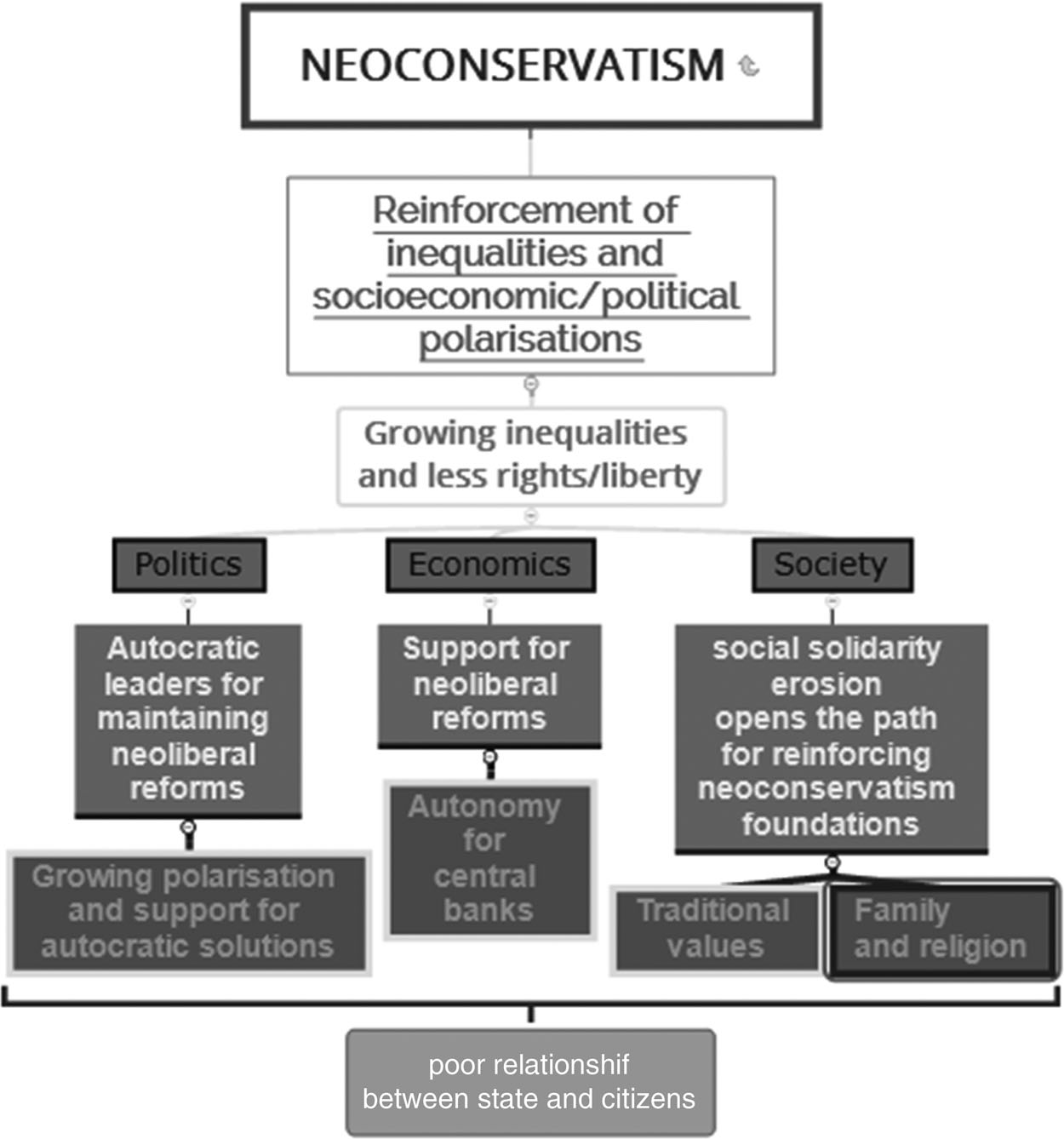
Figure 8. Adding neoconservatism to a neoliberal chaos. Source: Developed by the author.
The pandemic has demonstrated social privileges. Informal and precarious workers, who have become globally dominant during the last forty years of neoliberal hegemony, were unable to adhere to the World Health Organisation (WHO) confinement recommendations to prevent the spread of the COVID virus. Particularly in Brazil, precar- ious workers needed to be outside to provide for their families, so they could not work from home. Another problematic issue was internet access for the poor. When considering the inhabitants of favelas, these issues become even more delicate. Santos (2020: 36–43) states that 25 percent of the world’s population resides in informal neigh- bourhoods without basic infrastructure or sanitation, where people often live in restricted spaces with large families. Furthermore, due to the relentless exploitation of natural resources promoted by capitalism and its most antisocial form, neoliberalism, humanity cannot halt global change but can only mitigate its egregious effects.
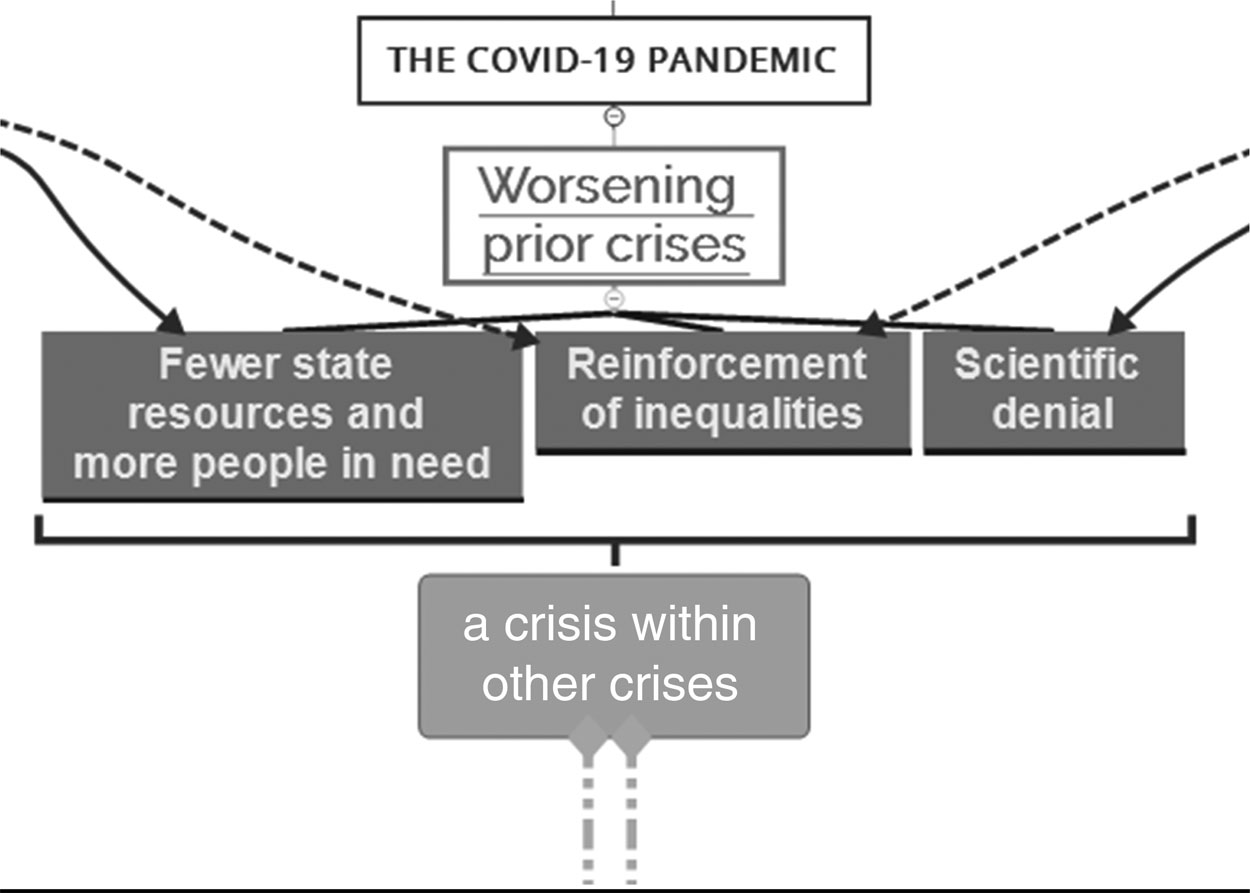
Figure 9. A crisis within crises: reinforcing the destruction of state- citizens solidarity. Source: Developed by the author.
To exacerbate the situation, Bolsonaro’s government has advocated for the anti-scientific “herd immunity strategy” during the pandemic, a form of social Darwinism aimed at reducing spending on the elderly and vulnerable populations. The Brazilian president consistently downplayed the severity of the pandemic, disregarded sanitary measures, promoted anti-vaccination theories, and delivered fiery speeches targeting state governors, environmental defenders, ethnic minorities, and the media (Saad-Filho 2020: 1218–1219). Delays in the government’s vaccine procurement efforts were also common (see Exame 2021). Due to this chaotic management, Brazil found itself in the worst plausible scenario: an unacceptable loss of lives, a meagre economic recovery, and an even more intensive destruction of its environmental resources. The most alarming aspect of this narrative is the possibility that it may have been the intention of Bolsonaro’s government. The report titled “Rights in the Pandemic – Mapping and Analysis of Legal Standards for Response to Covid-19 in Brazil” makes a striking assertion: “Our research revealed the existence of an institutional strategy for the spread of the virus, promoted by the Brazilian Government under the leadership of the Presidency of the Republic” (Ferreira et al. 2021: 6; our translation).5
These allegations align with the lawsuit against Bolsonaro at the International Criminal Court, accusing him of crimes against humanity and incitement to the genocide of indigenous peoples (PPT 2022b). In December 2020, the International Criminal Court Office of the Prosecutor confirmed that the complaint was formally under preliminary jurisdiction review. This marks the first time a case of this nature against a Brazilian president has progressed before this body without being dismissed (Oliveira 2021). By October 25, 2021, the number of COVID-19 deaths in Brazil had reached 605,804 (Brasil 2021) (PPT 2022b: 89–95), and it is impossible to determine how many lives could have been saved. However, a significant number of deaths could have been prevented.
Firstly, Congress and the STF (the Brazilian Constitutional Tribunal) have strived to maintain, albeit to a limited extent, the institutional dialogue and partnership of bourgeois liberalism in addressing the pandemic (see Amorim and Tajra 2020). However, it is important to acknowledge that the situation has not deteriorated further primarily due to the resistance from the popular sector, particularly indigenous and black movements (see Benites 2021). Second, despite being under- funded and plagued by chronic dysfunctions, Brazil’s public and uni- versal healthcare system has played a decisive role, as most Brazilians could afford COVID testing or the weeks-long stay in Intensive Care Units and subsequent rehabilitation process. Third, Bolsonaro’s chal- lenges in securing a second term, including his declining popularity in election polls and the emergence of Luiz Inácio Lula da Silva as a popular candidate (who eventually won the 2022 presidential election), compelled him to depart from the pure neoliberalism that character- ised his first two years in office. He implemented emergency aid through direct transfers to 67 million people in Brazil during the COVID pandemic (see Cullell 2021).
Therefore, the chaos caused by the COVID-19 pandemic directly resulted from the deliberate dismantling of state solidarity with society under neoliberalism and the neoconservative project’s aim to spread the disease. COVID-19 and Bolsonaro’s disregard for human life have laid bare the egregious features of neoliberalism. Consequently, Bolsonarism has further exacerbated the already dire consequences of the contemporary Brazilian scenario, such as economic destruction and the impoverishment of the masses. The bourgeois liberal institutions that Bolsonaro has threatened, such as the judiciary and Congress, are complicit in the structural violence in which Brazil has been immersed, particularly since the neoliberal hegemonic expansion of the 1980s and 1990s. Instead of allowing Bolsonarism to domi- nate the national discourse with undemocratic tactics, it is crucial to engage in discussions about Brazil’s bicentennial of formal independence and the implications of the white descendant project (see Alberti and Pereira 2007; Almeida 2021; Ribeiro 2021).
The results have been catastrophic and have further perpetuated these issues. Brazil’s once-historical demographic bonus is being lost (see Folha 2021a), while the wealthiest individuals continue to amass their wealth (see Folha 2021b). A sophisticated and integrated indus- trial capacity, along with quality jobs and income for the majority of the population, would have enabled the containment of the crisis, with more people being able to stay at home and health systems experi- encing less strain (Alfredo Saad-Filho 2020: 1216). Consequently, a faster economic recovery from the pandemic could have been achieved. However, the neoliberal crisis and neoconservative ideol- ogies have only exacerbated the already chaotic situation.
On a global scale, the COVID-19 pandemic has exposed the crises of neoliberalism and neoconservatism. Neoliberal hegemony, primarily driven by its material capabilities, has spread its ideas and practices, eroding state planning, citizenship, and human rights, especially during the pandemic. Previously, public universities and laboratories facilitated centralised state responses to threats, but now we see segmen- ted private healthcare systems driven by profit motives. This antisocial ideology has compromised emergency responses to the global COVID- 19 crisis, as states have fewer resources while the number of needy people continues to rise. Furthermore, the intrusion of humanity into nature has contributed to the emergence of new diseases. Neoliberal institutionalisation within civil societies and state apparatus obstructs political alternatives, undermines state welfare, and erodes social solidarity, weakening the relationship between states and citizens.
In the case of Brazil, the erosion of neoliberal social solidarity has paved the way for the rise of neoconservatism, as it offers alternative foundations and ideas such as family and religion. Moreover, neoconservatism supports exclusionary neoliberal policies, which have garnered support from the transnational bourgeoisie and the Brazilian- dependent bourgeoisie, resulting in the rise of extreme right-wing leaders who foster polarisation within the country. These policies and ideologies have further strained the relationship between the state and its citizens, posing a threat to Brazilian liberal democracy. The COVID-19 pandemic has exacerbated this already catastrophic scenario, as neoliberalism provides fewer resources and less solidarity when more people are in need, while neoconservatism amplifies polarisation and denies scientific evidence. Thus, the COVID-19 crisis has exposed the destructive impact of neoliberalism and neoconservatism on the relationship between states and citizens. The election of Joe Biden in the US and the turmoil caused by Trump’s authoritarianism have pro-vided a significant response to challenge the neoliberal hegemony.
The agreement among G7 states for a minimum 15 percent tax on
transnational companies appears to undermine the governance sphere, which is the last support holding back the organic crisis of neoliberal- ism. By October 2021, this policy had received the support of 130 countries worldwide, a development previously unimaginable before the pandemic. This agreement also compels the largest multinationals to pay taxes where they operate rather than where they are headquar- tered, discouraging tax havens for the first time (see Giles 2021). However, this minimum tax could reinforce global inequalities. Initially, the OECD expected a basic tax rate of 21 percent, but pressure from low-taxation states such as Ireland (12.5 percent) and Hungary (9 percent) reduced the rate. Additionally, this new policy prevents countries from unilaterally taxing multinationals. Lastly, due to the dis- tributive criteria, 70 percent to 80 percent of this global tax will benefit the Global North (where the headquarters of large companies are typi- cally located), while only 20–30 percent will benefit the Global South. Oxfam has emphasised the need for justice and ambition in the tax plan to ensure that the rest of the world does not bear the burden (Car- rança 2021).
Indeed, it is crucial not to overlook the fact that in the distributive conflict between global financial investors and nation-states, the latter has been gaining some momentum, mainly due to the COVID-19 pan- demic and the rise of neoconservatism, which have made us more aware of the pervasive nature of neoliberal policies. However, in Brazil, there are attempts to reproduce the neoliberal post-crisis approach. Seizing the opportunity presented by the president’s high disapproval ratings and low popularity, the bourgeoisie has been striving to amplify neoliberal policies in the country, similar to what occurred under the administration of Michel Temer. Examples of this expansion include granting formal autonomy to the Brazilian Central Bank (Machado 2020) and implementing the mini-labour reform in 2021, which further undermines the security and well-being of workers (Resende and Brant 2021). Additionally, while the concurrent crises of neoliberalism, neoconservatism, and the COVID-19 pandemic threaten Bolsonaro’s re-election (Jímenez 2021), he openly undermines Bra- zilian liberal democracy (Neves and Borges 2021). In the Global South, particularly in Latin America, the regional bourgeoisie prefers accept- ing its peripheral position in the international system rather than advo- cating for income or power redistribution.
It is essential for Latin America’s criticism to go beyond analysing power transitions solely through the lens of political processes, which tend to be dominated by elites with limited space for the participation of the popular classes. The democratisation process in Brazil during the late 1980s coincided with the expansion of neoliberal orthodoxy, which exacerbated social inequalities. As a result, Brazil’s liberal democracy is not entirely seen as legitimate in the eyes of the masses. It is clear that living in a state of denial and hoping to find solutions solely within the confines of the capitalist system is no longer viable. Pursuing sustainability and endless profit-seeking are fundamentally incompatible, as they perpetuate exclusionary prac- tices. It is crucial to envision revolutionary alternative futures and embrace the idea of thinking the unthinkable to ensure our survival. Future research on liberation, particularly by applying of critical theory and decolonial perspectives, can provide new avenues for understanding our reality, particularly the knowledge and experi- ences of the Global South. We can strive for a more just and equitable society by critically examining and challenging dominant narratives.
- capaz de instrumentalizar as crises econômicas em seu favor, impedindo a tran- sição para um novo arranjo normativo-institucional e, consequentemente, para uma nova fase do capitalismo.
- Until the 2nd of September 2021, the Brazilian Constitution has been amended 109 times, and a large part of them were implemented for fostering neoliberalism in Brazil.
- Estou aproveitando essa suposta baixa popularidade para tomar medidas impopu- lares, que, caso contrário, não tomaríamos.
-
A agenda da Câmara, em sintonia com a do presidente Michel Temer, tem como foco o mercado, o setor privado.
- At the federal level, more than the absence of a rights approach, as already estab- lished, our research has revealed the existence of an institutional strategy for spread- ing the virus, one promoted by the Brazilian government under the leadership of the Presidency of the Republic.
Alberti, Verena and Pereira, Amilcar Araújo (2007), Histórias do Movimento Negro no Brasil: Depoimentos ao CPDOC [Histories of the Black Movement in Brazil: Statements to CPDOC], ed. (Rio de Janeiro: Pallas; CPDOC-FGV). Andrade, Daniel Pereira (2019), ‘Neoliberalismo: Crise econômica, crise de representatividade democrática e reforço de governamentalidade’ [Neoli- beralism: Economic crisis, crisis of democratic representativity and reinforcement of governmentality], Novos Estudos CEBRAP, 38 (1), 109–135.
Agostine, Cristiane and Mendonça, Ricardo (2017), ‘A agenda da Câmara é a do mercado, sustenta Rodrigo Maia’ [The Chamber of Deputies’ agenda is that of the market, affirms Rodrigo Maia], Valor Econômico, 30 May.
Almeida, Silvio (2021), ‘A democracia como fetiche e a ocultação do debate eco- nômico ‘ [Democracy as a fetish and the concealment of economic debate ], Folha de São Paulo, 2 Sep.
Alston, Philip (2016), ‘Relatório da ONU diz que PEC do teto de gasto por 20 anos é retrocesso social e erro histórico de Temer’ [A 20-year spending ceiling is a social regression and a historical error by Temer.], Congresso em Foco, 9 Dec.
Amorim, Felipe and Tajra, Alex (2020), ‘STF dá poder a estados para atuar contra covid-19 e impõe revés a Bolsonaro’ [Brazilian Supreme Tribunal empowers states to act against covid-19 and imposes setback on Bolso- naro], UOL, 15 Apr.
Arrighi, Giovanni and Silver, Beverly. J. (2003), ‘Polanyi’s “double movement": the belle époque of British and US hegemony compared’ Politics & Society, 31 (2), 325–355.
Ballestrin, Luciana (2018), ‘O debate pós-democrático no século XXI’ [The post- democratic debate in the 21st century], Revista Sul-Americana de Ciência Política, 4 (2), 149–164.
Barbosa, Rogério J., Souza, Pedro H. G. Ferreira de, and Soares, Sergei S. D. (2020), Desigualdade de renda no Brasil de 2012 a 2019.
Barros, Ricardo Paes de (2021), ‘Auxílio Brasil tem ‘bom diagnóstico’, mas o ‘tratamento’ pode piorar as coisas, diz Paes de Barros’ [‘Brazil aid’ has ‘good diagnosis’, but ‘treatment’ could make things worse, says Paes de Barros], in Idiana Tomazelli (ed.), Estadão (Brasília).
Brasil, (2021), ‘Painel Coronavírus’. <https://covid.saude.gov.br/>
Benites, Afonso (2021), ‘“Somos as pretas, os pretos, os índios e as índias que vamos derrubar o Governo Bolsonaro neste ano ou nas urnas”‘ [‘We are the blacks and indigenous men and women who are going to overthrow the Bolsonaro Government this year or at the polls’ ], El País Brasil, 19 Jun.
Bôas, Bruno Villas (2021), ‘Brasil deve ganhar mais 100 mil milionários até 2025, diz consultoria britânica’ [Brazil should gain 100 thousand more mil- lionaires by 2025, says British consultancy], Estadão, 3 Aug.
Borges, André (2019), ‘Governo Bolsonaro quer liberar produção agrícola em terra indígena’ [Bolsonaro’s government wants to release agricultural pro- duction on indigenous land ], Estadão, 3 Jan.
Biondi, Aloysio (1999), O Brasil Privatizado: um balanço do desmonte do Estado [Privatised Brazil: a review of the dismantling of the State], ed. (11 edn.; São Paulo: Editora da Fundação Perseu Abramo).
Butler, Karina (2011), A critical humanitarian intervention approach (Warwich: Department of Politics and International Studies).
Carrança, Thaís (2021), ‘Imposto global aprovado pela OCDE favorece países ricos, diz grupo de Piketty ‘ [OECD-approved global tax favours rich countries, says Piketty group ], BBC News Brasil, 13 Oct.
Castro, José Roberto (2017), ‘Qual a trajetória de popularidade do governo Temer’ [What is the popularity trajectory of the Temer government.], Nexo Jornal, 15 Feb.
Cullell, Jon Martín (2021), ‘Crise expulsa quase cinco milhões de pessoas da classe média na América Latina’ [Crisis pushes nearly five million people out of middle class in Latin America], EL PAÍS Brasil, 25 June.
Cox, R. (1981), ‘Social Forces, States and World Orders: beyond International Relations Theory’ Millennium, 10 (2), 126–155.
Crouch, Colin (2013), The Strange Non–Death of Neoliberalism (Cambridge: Polity Press).
Dardot, Pierre and Laval, Christian (2016), Ce cauchemar qui n’en finit pas: Comment le néolibéralisme défait la démocratie [This never-ending nightmare: How neoliberalism defeats democracy ], ed. (Paris: La Découverte).
Elias, Juliana (2021), ‘Desigualdade no Brasil cresceu (de novo) em 2020 e foi a pior em duas décadas ‘ [Inequality in Brazil grew (again) in 2020 and was the worst in two decades ], CNN Brasil, 23 Jun.
Exame (2021), ‘Entenda a cronologia da negociação da compra da vacina Covaxin’ [Understanding the timeline of the Covaxin vaccine purchase negotiation], 24 Jun.
Erlenbusch-Anderson, Verena (2018), Genealogies of terrorism: revolution, state violence, Empire (New York: Columbia University Press).
Falcão, Márcio (2014), ‘Câmara derruba conselhos de participação popular e impõe derrota a Dilma’ [Chamber of Deputies overturns popular partici- pation councils and imposes defeat on Dilma], Folha de São Paulo, 28 Oct. Ferreira, André Bastos, et al. (2021), ‘Direitos na Pandemia: mapeamento e análise das normas jurídicas de resposta à Covid-19 no Brasil’ [Pandemic Rights: mapping and analysing the legal norms of response to Covid-19 in Brazil], in Camila Lissa Asano, et al. (eds.), (10 edn., 10; São Paulo: Centro de Pesquisas e Estudos de Direito Sanitário (CEPEDISA)
Folha (2021a), ‘Sem perspectivas, metade dos jovens quer deixar Brasil’ [With no prospects, half of young people want to leave Brazil ], Folha de São Paulo, 20 Jun.
Folha (2021b), ‘Ricos ficam mais ricos em quase metade das regiões metropoli- tanas do Brasil durante pandemia’ [Rich get richer in almost half of Brazil’s metropolitan regions during pandemic], Folha de São Paulo, 21 Oct, sec. Mercado.
Gavras, Douglas (2021), ‘Desigualdade cresce e 1% no topo da pirâmide do Brasil concentra metade da riqueza’ [Inequality grows and 1% at the top of the pyramid in Brazil concentrates half the wealth], Folha de São Paulo.
Giles, Chris (2021), ‘Imposto corporativo mínimo global de 15% recebe apoio de 130 países ‘ [15% global minimum corporate tax receives support from 130 countries ], Folha de São Paulo. Gramsci, Antônio (1982), Os Intelectuais e a Organização da Cultura [Intellectuals and the Organisation of Culture], ed. (Rio de Janeiro: Civilização Brasileira). Harvey, David (2005), A brief history of neoliberalism (New York: Oxford University Press).
Idoeta, Paula Adamo (2020), ‘O que dizia a polêmica proposta sobre Unidades Básicas de Saúde, que acabou revogada por Bolsonaro’ [What is the con- troversial proposal on Basic Health Units, which ended up being revoked by Bolsonaro], BBC News Brasil.
Jímenez, Carla (2021), ‘Com rejeição de 62%, Bolsonaro perderia para Lula, Mandetta, Ciro, Haddad e Doria no segundo turno’ [With 62% rejection, Bolsonaro would lose to Lula, Mandetta, Ciro, Haddad and Doria in the second round], EL PAÍS Brasil.
Lourenço, Iolando and Esposito, Ivan Richard (2016), ‘Lava Jato, crise política, impeachment e disputa entre Poderes marcaram 2016’ [‘Car wash’, politi- cal crisis, impeachment and dispute between Powers marked 2016 ], Agência Brasil, 23 de dezembro.
Machado, Renato (2020), ‘Senado aprova autonomia formal para o Banco Central ‘ [Senate approves formal autonomy for the Central Bank ], Folha de São Paulo.
Morton, Adam David (2007), Unravelling Gramsci: Hegemony and Passive Revolu- tion in the Global Political Economy (London: Pluto Press).
Neves, Rafael and Borges, Stella (2021), ‘Sem provas, Bolsonaro insinua fraude e ameaça eleição de 2022’ [Without evidence, Bolsonaro insinuates fraud and threatens 2022 election], UOL.
Oliveira, Joana (2021), ‘Ação contra Bolsonaro avança em Haia, e indígenas vão denunciá-lo por genocídio e por ecocídio’ [Lawsuit against Bolsonaro advances in the Hague, and indigenous people will denounce him for gen- ocide and ecocide], EL PAÍS Brasil, 01 de julho.
Panitch, Leo and Gindin, Sam (2011), ‘Capitalist crises and the crisis this time,’
Pina, Rute (2019), ‘Bolsonaro corta 95% do orçamento das ações destinadas a combater mudanças climáticas’ [Bolsonaro cuts 95% of the budget for actions aimed at combating climate change ], Brasil de fato.
Polanyi, Karl (2012), A subsistência do homem [The livelihood of men], ed. (Rio de Janeiro: Contraponto).
Polanyi, Karl (2000), A grande transformação: as origens de nossa época [The Great Transformation: The Origins of Our Time], ed. (2ª edn), (Rio de Janeiro: Campus).
PPT (2022a), ‘49ª Sessão em Defesa dos Territórios do Cerrado’ [49th Session in Defence of the Cerrado Territories], (The Permanent Peoples’ Tribunal).
PPT (2022b), ‘Pandemic and authoritarianism. The Bolsonaro government’s responsibility for the systematic violations of the fundamental rights of Brazilian peoples perpetrated through the policies imposed in the Covid-19 pandemic’ (Permanent Peoples’ Tribunal (PPT)).
Resende, Thiago and Brant, Danielle (2021), ‘Câmara aprova texto-base de projeto que cria uma minirreforma trabalhista ‘ [Chamber approves basic text of the project that creates a mini labour reform ], Folha de São Paulo.
Ribeiro, Djamila (2021), ‘Indígenas acampados resistem hoje frente ao que resta do velho colonialismo’ [Indigenous camps current resist what remains of the old colonialism], Folha de São Paulo.
Rugitsky, Fernando (2020), ‘The decline of neoliberalism: a play in three acts’
Revista de Economia Política, 40 (4), 587–603.
Saad-Filho, Alfredo (2011), ‘Crisis in Neoliberalism or Crisis of Neoliberalism?’
Saad-Filho, Alfredo (2020), ‘De la Covid-19 al fin del neoliberalismo’ [From Covid-19 to the end of neoliberalism], El Trimestre Económico, LXXXVII (348), 1211–1229.
Sanches, Mariana (2021), ‘Congressistas dos EUA pedem que governo Biden explique cooperação entre americanos e Lava Jato’ [US congress members ask Biden administration to explain US cooperation with Lava Jato], Folha de São Paulo, 07 de junho.
Sant’Anna, Emílio (2021), ‘Brasil perde 16% da superfície de água em 30 anos; Mato Grosso do Sul lidera’ [Brazil loses 16% of its water surface in 30 years; Mato Grosso do Sul leads ], Estadão.
Santos, Boaventura de Sousa (2020), A cruel pedagogia do vírus [The cruel peda- gogy of the virus], ed. (São Paulo: Boitempo Editorial).
Silva, E. (2012), ‘Exchange rising? Karl Polanyi and contentious politics in con- temporary Latin America.’ Latin American Politics and Society, 54 (3), 1–32.